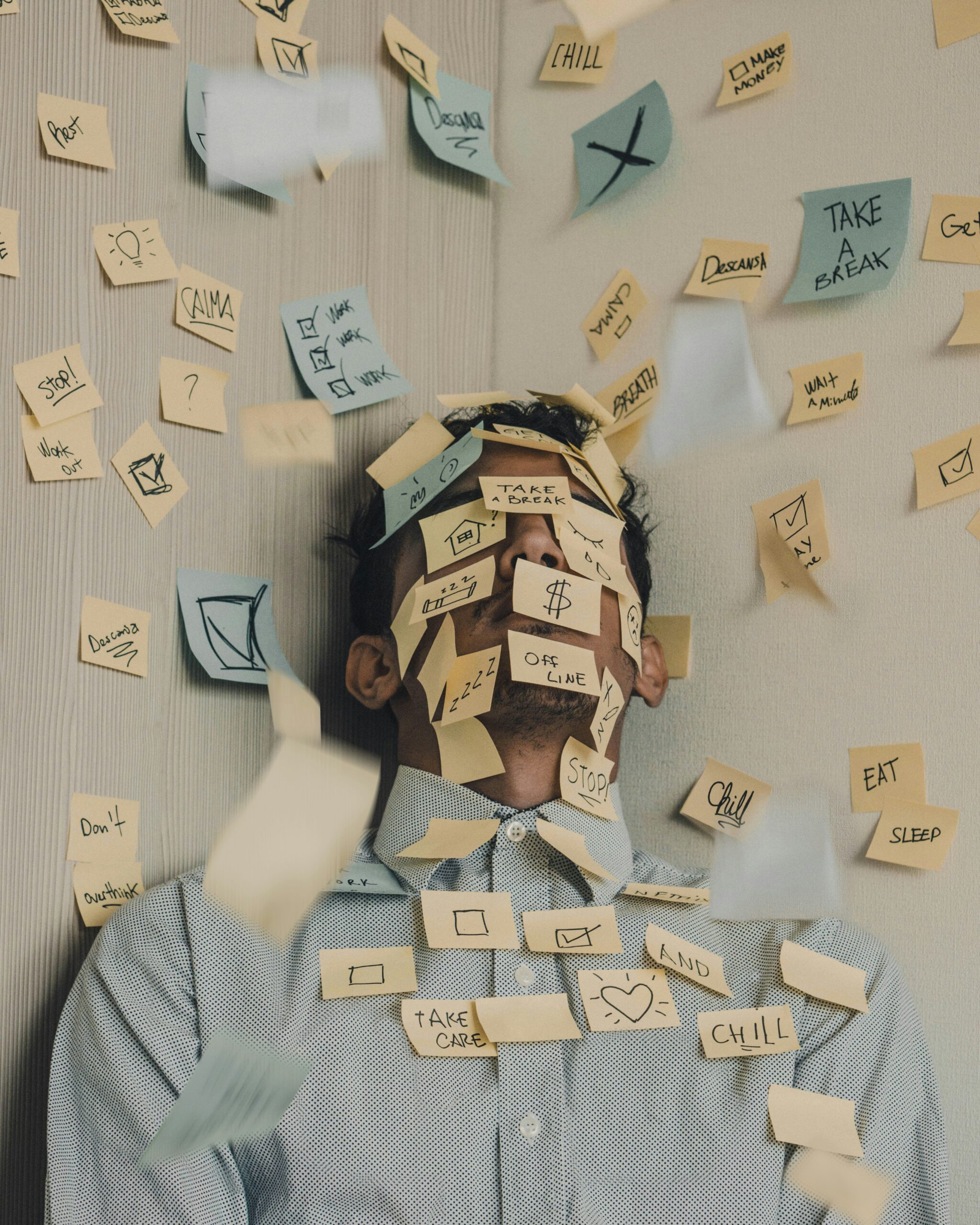

Uspjeh je počeo mijenjati oblik
Naši životi često nalikuju neprekidnoj utrci. Telefoni neprestano vibriraju, kava ostaje hladna dok prelazimo s jedne obaveze na drugu, a vikendi se pretvaraju u pokušaj da nadoknadimo sve što nismo stigli. U takvom ritmu, i sam pojam uspjeha postupno se mijenja. Dugo se mjerio novacem, statusom i ambicijom. Danas ga sve veći broj ljudi definira kroz jednu osobniju dimenziju: vrijeme, točnije osjećaj kako u životu postoji dovoljno prostora i vremena za sebe.
Psiholozi taj fenomen nazivaju time affluence – vremensko obilje, odnosno subjektivni doživljaj imanja dovoljno vremena za život, a ne samo za obaveze koje ga ispunjavaju. Taj se osjećaj sve češće postavlja ispred promaknuća, materijalnih ciljeva i stalnog optimiziranja produktivnosti. Tako imati vremena prestaje biti nešto što se “ne isplati” i postaje novi oblik luksuza.
Buđenje bez žurbe, ispijanje kave bez mentalnog popisa obaveza ili odlazak u šetnju bez cilja i funkcije postaju znak nečeg dubljeg, unutarnjeg osjećaja obilja. U toj promjeni jasno se vidi jednostavna činjenica koju je naš živčani sustav oduvijek znao, kako pun raspored i ispunjen život nisu isto iskustvo.
Mozak doživljava vrijeme kroz pažnju
Dvoje ljudi mogu imati gotovo identične rasporede, a živjeti potpuno različite unutarnje doživljaje dana. Jedna osoba stalno osjeća pritisak i živi nekoliko koraka unaprijed. Dok druga ima iste obaveze, ali ostaje prisutnija, stabilnija i povezanija sa sobom. Razlika nije u vremenu koje imaju, nego u načinu na koji je organizirana njihova pažnja i kako živčani sustav obrađuje iskustvo.
Mozak ne doživljava vrijeme kao sat, nego ga doživljava kroz fokus, emocije i razinu mentalnog opterećenja. Kada je pažnja raspršena, iskustvo se komprimira, pa dani prolaze, ali se ne osjete kao proživljeni. Tjedni se stapaju jer sustav stalno radi u modu hitnosti i reakcije.
Zato jedna mirna večer s nekim u koga imamo povjerenje, može ostaviti dublji trag od cijelog stresnog tjedna, jer živčani sustav registrira prisutnost, a prisutnost mijenja kvalitetu doživljenog vremena. Vremensko obilje zato nije samo organizacija kalendara, nego unutarnji doživljaj koji ljudi često opisuju kao veću mentalnu jasnoću, smireniju emocionalnu pozadinu i jači osjećaj povezanosti sa svakodnevnim životom.
Zašto je vrijeme postalo novi oblik bogatstva
S vremenom mnogi uspješni ljudi počinju mijenjati prioritete. Umjesto stalnog gomilanja i postizanja, sve se više vrednuje kapacitet za jasno razmišljanja, smireno disanja i život bez unutarnje žurbe.
Jutra postaju zaštićenija, a pažnja selektivnija. Odmor ponovno dobiva vrijednost jer se počinje osjećati kao prostor za život, a ne kao pauza između obaveza. Ljudi sve svjesnije biraju iskustva, odnose i ritmove koji ih “hrane”, umjesto ostajanja u stalnom mentalnom preopterećenju.
Istodobno se mijenja i društvena percepcija. Nekada je “prezauzet sam” zvučalo kao znak važnosti, dok danas sve više vrijedi suprotno. Smirena prisutnost, dostupna pažnja i osjećaj kako netko zaista ima prostor za život. Upravo zato vremensko obilje postaje novi, statusni simbol jer ljudi intuitivno prepoznaju razliku između života koji je stalno pod pritiskom i života u kojem postoji prostor za prisutnost, kreativnost i odnose.
Živčani sustav uči ponavljanjem
U coachingu se ova dinamika jasno vidi. Ispod osjećaja “nemam vremena” često stoji živčani sustav koji je naučen vrijednost mjeriti kroz kretanje i stalnu aktivnost. Produktivnost postaje emocionalno nagrađujuća jer je tijelo naviknuto na brzinu, stimulaciju i stalno očekivanje. S vremenom osoba može postati vrlo funkcionalna, ali sve udaljenija od vlastitog doživljaja života.
Kada se to osvijesti, počinje promjena obrasca. Pažnja više ne traži stalnu stimulaciju, tišina više nije neugodna i pojavljuje se prostor koji prije nije bio dostupan. Vremensko obilje tada prestaje biti pitanje rasporeda i postaje sposobnost prisutnosti i sudjelovanja u trenucima koji već postoje.
Vremensko obilje je unutarnje iskustvo
Najvrjedniji trenuci u životu često su jednostavni, ugodna večera u kojoj smo stvarno prisutni, razgovor bez prekidanja ekranom, tišina bez potrebe za distrakcijom ili kraj dana u kojem još uvijek imamo energiju za sebe i odnose.
Živčani sustav takve trenutke doživljava kao regulaciju, što mijenja način na koji se život osjeća iznutra, pa vrijeme više ne stvara pritisak nego jasnoću.
Odluke postaju promišljenije jer postoji prostor za razlikovanje bitnog od nebitnog. Pažnja se prirodno vraća odnosima, iskustvima i stvarima koje daju smisao našem životu.
Stres se smanjuje jer sustav više nije u stalnom multitaskingu, a mentalna jasnoća raste jer nema raspršene pažnje. Odnosi postaju dublji jer je prisutnost dostupna. Vrijeme prestaje biti nešto što trošimo i postaje prostor u kojem živimo.
Važnost slobodnog vremena
S vremenom se mijenjaju i životni obrasci. Izbori postaju svjesniji i usklađeniji s osobnim vrijednostima, a ljudi se postupno udaljavaju od stalne hitnosti i okreću ritmovima koji podržavaju stabilnost i kvalitetniji život. U tome se krije dublje značenje vremenskog obilja koje nije samo količina slobodnih sati, nego način na koji doživljavamo vlastiti život.
Slobodno vrijeme tako postaje više od rasporeda, postaje znak unutarnje regulacije, mentalne jasnoće, emocionalnog kapaciteta i sposobnosti da budemo prisutni u vlastitom iskustvu. U svijetu koji stalno odvlači pažnju prema van, upravo ta sposobnost postaje jedan od najvrjednijih oblika bogatstva.
Autorica Ivana Song.
Coaching that moves you forward. Inspired by Song.