

Communication is the process of exchanging information through an agreed system of signs. It is a well-known fact that only 7% of communication involves spoken words, while the remaining 93% relies on nonverbal communication, the so-called body language.
Nonverbal communication is universal and natural to all of us. Deaf people are more attuned to nonverbal communication, and it is always accurate. This is one of the reasons why deaf people often “hear” better, because they have a greater ability to receive accurate information about what their conversation partners are truly communicating.
The words we speak are often not aligned with what we think and feel, for many reasons, from upbringing to social rules of behaviour. But the body, if you know how to read it, always tells the truth.
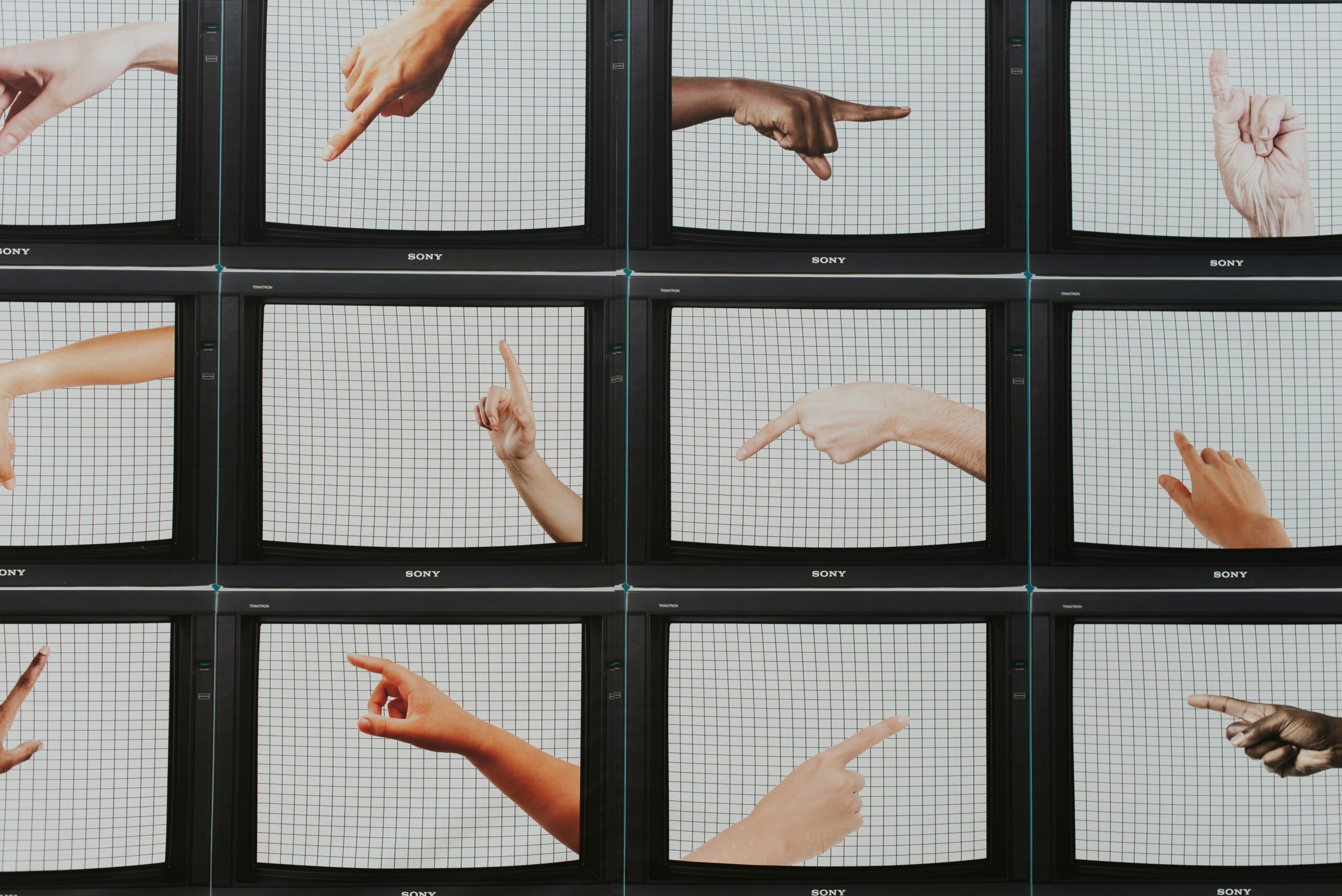
Sign language
Sign language is a system of visual signs in which specific hand shapes, orientation and movement of the hands, body movements, and facial expressions create meaning. To properly express a word such as happiness or sadness in sign language, the whole body is involved. The body follows the expression, as does the face.
Lip movements without voice, also known as lip reading in communication, are also part of sign language and add another layer of meaning, because they connect you with the body and direct attention to the vibration of the word being expressed. To truly understand a conversation partner, you need to see their body and feel the vibration it communicates.
Balance of the left and right hemispheres of the brain
Learning sign language improves understanding of the body and emotions and adds a new dimension to the language we use every day. It creates a new perspective on communication in general, while at the same time the motor skills developed through sign language help balance the left and right hemispheres of the brain.
Today there is a growing body of research showing that people who first learn to use sign language often find it easier to learn new things, precisely because they use both hemispheres of the brain simultaneously. This balance supports everyday life by allowing more objective thinking. You are more aligned with what is happening around you, and it becomes easier and more authentic to express yourself, hear, and communicate truthfully. This is another reason why deaf people often “hear” better.
The benefits of learning sign language are numerous, and becoming familiar with deaf culture and using sign language enriches you as a person.
Connect with yourself and your body. Be balanced in your thinking and your perspective on life by learning sign language.
Author Ivana Song.
Coaching that moves you forward. Inspired by Song.